
Scrap Metal Recycling Center Near Me: Pay Rates & Hours
Use this guide before taking copper, aluminum, brass, steel, stainless, appliances, wire, motors, rims or mixed scrap to a local yard. It explains how pay rates really work, what scale hours mean, which items need ID or proof, what gets rejected, and how to prepare a cleaner load for a better grade.
Quick Answer: How to Choose a Scrap Metal Recycling Center Near You
A scrap metal recycling center is usually a private scrap yard, nonferrous metal buyer, auto recycler, metal processor or recycling business that accepts metal for reuse. Some yards pay for valuable material, some accept only commercial loads, and some charge for special items such as appliances, tanks or contaminated metal.
The best nearby yard is not always the closest map result. Choose a yard that buys your exact metal grade, confirms today’s rate, explains public scale hours, tells you what ID is required, and confirms what will be rejected before you unload.
Screenshot Guide: Check Pay Rates, Hours and Rules Before You Drive
Use a yard’s official rates or hours page as a planning tool, not as a price guarantee. Scrap prices can change quickly, and the final payout depends on the yard’s inspection, grade, weight, contamination, payment rules and state requirements.
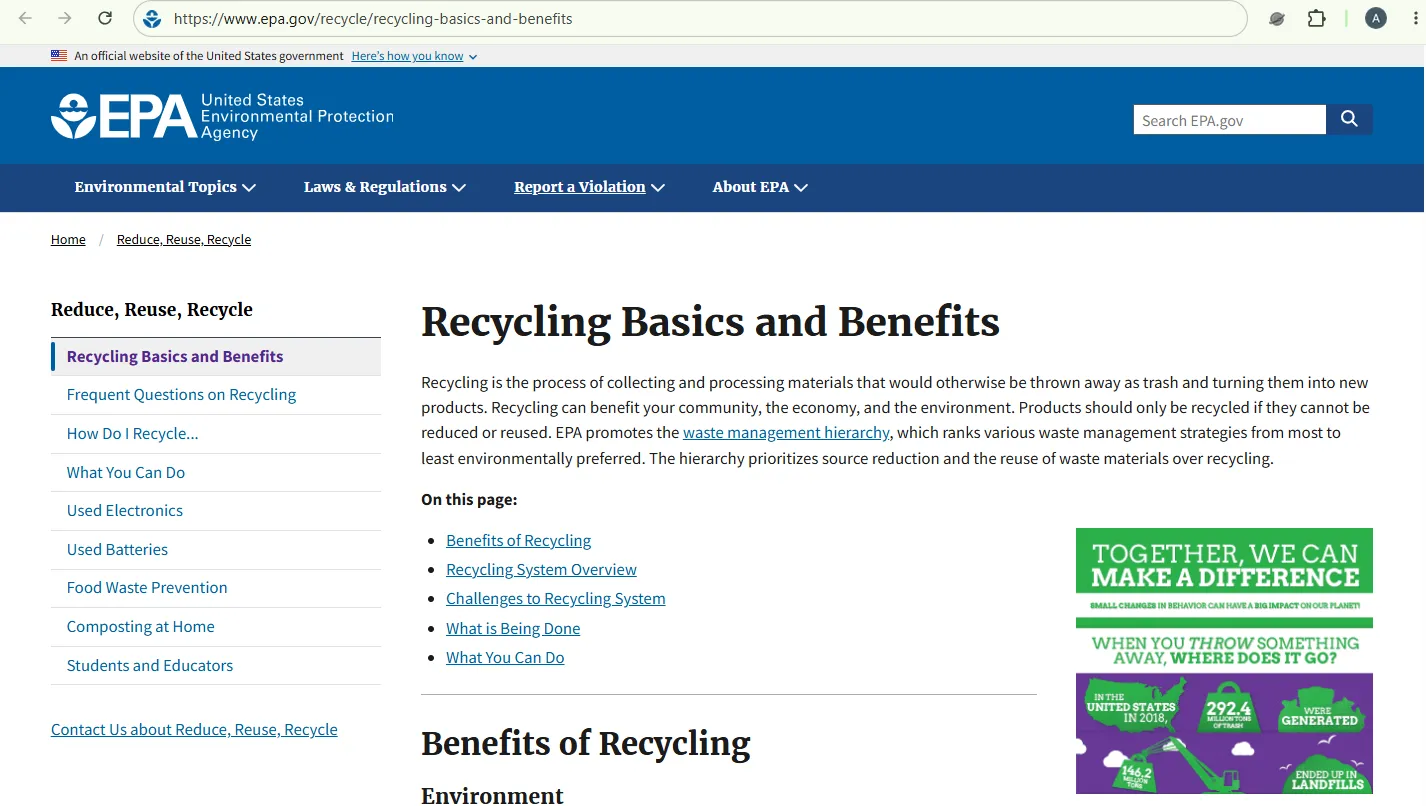
This image is placed near the pay-rate verification section because that is the moment when a visitor needs to confirm the yard, rate, accepted metals, ID rules, scale hours and directions. It is not a live open-status claim.
What a Scrap Metal Recycling Center Usually Buys or Accepts
A scrap metal center usually buys or accepts metal that can be processed into reusable raw material. In practical yard language, this may include copper wire, copper pipe, aluminum cans, aluminum rims, brass fixtures, stainless steel, light iron, prepared steel, motors, radiators, appliances and mixed metal loads.
The important detail is that metal type alone does not determine the price. Clean copper pipe, soldered copper pipe, insulated copper wire and burnt wire can all be treated differently. Clean yellow brass may be worth more than brass attached to plastic, steel screws, cartridges or hoses.
Scrap Metal Pay Rates Near Me: Why Generic Prices Are Risky
Scrap metal pay rates are local, grade-based and time-sensitive. A web page may show a market indicator or example price, but a local yard pays based on what it can buy, process and resell after inspection. Weight, material quality, contamination and demand all matter.
| Metal Category | Common Pay Position | What Usually Helps Value | What Usually Lowers Value |
|---|---|---|---|
| Copper | Often one of the strongest common scrap categories. | Bare bright wire, clean pipe, clean tubing and separated grades. | Insulation, solder, paint, corrosion, oil, mixed fittings or burnt wire. |
| Brass | Often strong value when clean and sorted. | Clean yellow brass, red brass where accepted, valves and fittings sorted by type. | Steel screws, plastic cartridges, rubber, hoses, chrome plating or dirty mixed brass. |
| Aluminum | Highly grade-sensitive. | Clean cans, rims, siding, extrusion, cast aluminum and sheet sorted separately. | Plastic, rubber, steel attachments, food residue, moisture or mixed grades. |
| Stainless steel | Usually depends on alloy and yard testing. | Known stainless grade, clean pieces and low contamination. | Magnetic uncertainty, attachments, mixed steel, dirt or unknown alloy. |
| Steel / iron | Often lower per pound but valuable in heavy loads. | Prepared size, clean heavy melt, sorted structural steel or large quantity. | Trash, rubber, fluids, sealed tanks, oversized items or mixed debris. |
| Motors and appliances | Depends heavily on yard policy. | Drained fluids, legal ownership, separated motors and accepted item type. | Refrigerants, sealed units, batteries, fluids, plastic-heavy items or fee categories. |
How to Check Scrap Metal Pay Rates Before You Drive
The safest way to check rates is to call the yard directly or use its own official price page if it publishes one. If a yard says “call for current prices,” that is normal. Many yards update rates daily and may still adjust the quote after inspecting your material.
Copy this call script:
Hello, do you buy from the public today? What are your current rates for [metal type and grade]? What time does the public scale or nonferrous window close? Do you require ID, vehicle information, proof of ownership or minimum weight? Do you pay cash, check or electronic payment? Are there any items you will reject from this load?
- Search the correct business type. Look for scrap yards, metal buyers, nonferrous recyclers, auto recyclers or metal recycling centers, not only household recycling drop-off sites.
- Check the official yard page first. Look for accepted metals, public-buying hours, scale entrance, ID rules, payment method, holiday notices and last load time.
- Call for today’s rate by grade. Ask about the exact material you have, such as bare bright copper, #1 copper, yellow brass, aluminum cans, stainless or light iron.
- Ask when the scale closes. The office may be open while the public scale, nonferrous window or payment office is closed.
- Confirm rejected items. Ask first for sealed tanks, AC units, catalytic converters, vehicles, batteries, business loads, utility wire or anything with fluids.
Scrap Metal Recycling Center Hours: Open Now, Saturday and Last Weigh-In
“Open now” can be misleading for scrap sellers. A yard may be open for commercial accounts, office calls, parts sales or inbound trucks while the public scale is closed. Some yards stop buying nonferrous metals earlier than the office closing time so staff can finish grading, weighing and payment paperwork.
| Hour Type | What It Means | What to Ask |
|---|---|---|
| Office hours | The business office may be open for calls, paperwork or accounts. | “Are you buying public scrap during these hours?” |
| Scale hours | The time when public sellers or trucks can be weighed. | “What time does the scale stop accepting loads?” |
| Nonferrous window | The counter or scale for copper, brass, aluminum, stainless and wire. | “Is the nonferrous window open today?” |
| Saturday hours | Often shorter, busier or limited to certain services. | “Do you buy from the public on Saturday, and what is the last weigh-in?” |
| Holiday schedule | Private yards may close or shorten hours around major holidays. | “Are you buying during the holiday week?” |
Metal Grades Explained: Clean vs Dirty Scrap
Industry specifications exist because buyers and sellers need a common language for material quality. For a normal public seller, the practical lesson is simple: cleaner, better-separated material is easier to grade than a mixed pile of metal, plastic, rubber, trash and unknown attachments.
Accepted Scrap Metal Items: What Yards Commonly Take
Each yard sets its own accepted list. The items below are common scrap-yard categories, but you should confirm with the facility before loading anything heavy, sharp, sealed, oily, refrigerated, stolen-looking, restricted or business-related.
| Item Type | Usually Worth Asking About | Before-You-Go Preparation |
|---|---|---|
| Copper wire and pipe | Bare bright wire, copper tubing, plumbing pipe, insulated wire and copper fittings. | Separate clean copper from insulated or dirty copper. Do not burn wire. |
| Brass | Faucets, valves, fittings, keys, hardware, decorative brass and plumbing parts. | Remove easy plastic, rubber and steel attachments when safe. |
| Aluminum | Cans, rims, siding, gutters, extrusion, cast aluminum and clean sheet aluminum. | Separate cans from other aluminum. Remove rubber, steel and plastic where practical. |
| Steel and iron | Light iron, prepared steel, structural steel, sheet metal, old grills and heavy ferrous scrap. | Remove trash, fluids, sealed tanks and non-metal material. |
| Motors and appliances | Washers, dryers, motors, rotors and some appliances where accepted. | Ask about refrigerant, compressors, fluids, batteries and appliance fees. |
| Stainless steel | Sinks, restaurant equipment, fittings, sheet and selected stainless items. | Keep stainless separate from regular steel and ask how the yard tests it. |
Items That Can Be Rejected or Require Another Disposal Route
A scrap yard is an industrial recycling site, not a public dump. Items can be rejected if they are unsafe, illegal, contaminated, sealed, pressurized, stolen-looking, hazardous, or outside the yard’s license, equipment or buyer policy.
ID, Payment and State Rules for Selling Scrap Metal
Scrap metal laws vary by state and by material type. Valuable or theft-sensitive metals can require stricter records than ordinary household recycling. A yard may ask for photo ID, license plate details, seller information, signature, material source, business paperwork, photos, video recording or proof of ownership.
State examples show why sellers should not argue with the scale desk about ID. Texas DPS, for example, regulates metal recycling entities, tracks regulated-metal transactions and lists seller information that can include a personal identification document, vehicle description and ownership documentation where applicable.
| Rule Area | What May Be Required | Why It Matters |
|---|---|---|
| ID | Government-issued photo ID, driver’s license or state ID. | Many yards need seller records for regulated metal transactions. |
| Vehicle details | License plate, vehicle make, model, color or delivery details. | Helps the yard comply with metal-theft prevention laws. |
| Payment method | Cash, check, mailed check, card, electronic payment or account credit. | Payment may depend on state law, material type, amount and yard policy. |
| Ownership proof | Job paperwork, title, bill of sale, contractor record or source explanation. | Important for vehicles, utility material, business loads and suspicious scrap. |
| Restricted materials | Special documentation or refusal for catalytic converters, utility wire, AC coils, vehicles or infrastructure metal. | These categories can be linked to theft or safety risk. |
Catalytic Converters, AC Coils, Vehicles and Other Restricted Scrap
Some materials are not handled like ordinary household scrap. Catalytic converters, vehicles, AC coils, utility wire, rail material, marked property and business loads may trigger extra documentation or refusal. Do not assume a yard can buy them from the public just because the item contains metal.
Before-You-Go Checklist for a Better Scrap Yard Visit
- Separate ferrous from nonferrous. Use a magnet. Steel and iron are magnetic; copper, brass, aluminum and many stainless grades are not.
- Keep high-value metals separate. Do not mix copper, brass and aluminum into one bucket if you want clear grading.
- Remove obvious trash. Wood, plastic, rubber, packaging, dirt and liquid can reduce value or cause rejection.
- Drain fluids where required. Engines, lawnmowers and machinery may need fluids removed before acceptance.
- Do not bring sealed or pressurized items without asking. Tanks, cylinders and sealed containers can be dangerous.
- Bring ID and source information. Be ready to explain where the material came from, especially for copper, brass, wire or business loads.
- Call before a large load. Ask about rates, scale hours, unloading help, trailer rules, minimum weight and payment method.
Scrap Yard Safety: Gloves, Shoes, Forklifts and Sharp Metal
Scrap metal recycling sites involve moving vehicles, loaders, forklifts, scales, sharp metal, heavy objects and industrial processing areas. Public visitors should stay in marked areas, follow staff instructions and never walk behind loaders, trucks or forklifts.
Drop-Off vs Pickup: Which Option Makes More Sense?
Small household loads are usually easiest to drop off. Heavy business, contractor, farm, estate, appliance, shop or demolition loads may need a quoted pickup, roll-off box, account setup or commercial service. Pickup can be convenient, but transportation and labor can reduce the net payment.
| Situation | Better Option | Reason |
|---|---|---|
| One trunk load of cans, brass, copper or aluminum | Drop-off | You can compare yards and avoid pickup charges. |
| Heavy steel, machinery or large appliances | Call first | You may need equipment, removal rules or a commercial quote. |
| Contractor or shop scrap | Account or scheduled service | Repeat loads may need paperwork, bins, invoices or business payment terms. |
| Vehicle, trailer or farm equipment | Special quote | Title, ownership, towing, fluid and size rules may apply. |
Common Problems That Lead to Lower Pay or a Wasted Trip
Official Sources and Standards Used for This Guide
Use these sources to understand the official and industry context. They do not replace your local yard’s current rates, hours or acceptance rules, but they explain why grades, safety, ID and legal compliance matter.
Scrap Metal Recycling Center Near Me Map
This is a national near-me guide, so the map uses a safe search query instead of inventing a local address. After opening the map, compare two or three nearby yards and verify current pay rates, public scale hours, accepted metals, ID rules, payment method and last weigh-in time.
Map note: Map listings are useful for directions, but they are not enough for pricing. Call the selected yard before driving, especially if you have copper, brass, aluminum, catalytic converters, appliances, vehicles, batteries, large steel, business scrap or a trailer load.
Frequently Asked Questions About Scrap Metal Recycling Centers
How do I find a scrap metal recycling center near me?
Search nearby scrap yards, metal buyers, nonferrous recyclers and recycling centers, then verify whether they buy from the public. Confirm current rates, scale hours, accepted metals, ID rules and payment method before visiting.
How much do scrap metal recycling centers pay?
There is no single national pay rate. Local yards price by metal type, grade, cleanliness, weight, market conditions and yard policy. Call the yard and ask for today’s rate by grade.
What scrap metal usually pays the most?
Among common household and contractor scrap, clean copper is often one of the stronger value categories, followed by brass, some stainless and aluminum categories. Steel and iron usually pay less per pound but can still be useful in heavy loads.
Are scrap metal recycling centers open on Saturday?
Some are open Saturday, often with shorter buying hours. Always confirm public scale hours and last weigh-in time before loading a vehicle, because office hours may not match buying hours.
Do scrap yards require ID?
Many scrap yards require government-issued photo ID and seller records, especially for valuable or regulated metals. Requirements vary by state, material type and yard policy.
Can I sell copper wire at a scrap yard?
Many yards buy copper wire, but grade matters. Bare bright wire, #1 copper, #2 copper and insulated wire may be priced differently. Do not burn wire, and keep grades separate.
Can I sell aluminum cans at a scrap metal recycling center?
Many yards buy aluminum cans, but rates and rules vary. Keep cans empty, dry and separate from other aluminum. In bottle-bill states, CRV or deposit redemption may follow a different process.
Can I sell catalytic converters at any scrap yard?
No. Catalytic converters are restricted in many places and may require vehicle information, title or ownership documentation. Many yards refuse public catalytic-converter sales unless documentation is complete.
What items should I call about before bringing?
Call first for catalytic converters, vehicles, AC units, appliances, sealed tanks, gas cylinders, batteries, motors, business loads, utility wire, large steel, trailers and anything with fluids or hazardous parts.
Why did the yard pay less than the online price?
Online prices may be market indicators or averages. Your load may be a lower grade, mixed, dirty, insulated, low weight or subject to local processing costs. The yard’s scale inspection controls the actual payout.
Should I remove plastic, rubber and steel from scrap before selling?
Remove obvious attachments when it is safe and quick, but do not do risky work. Ask the yard whether cleaning the material improves the grade enough to justify your time.
Is Recycling-Centre.org a scrap metal buyer?
No. Recycling-Centre.org is an independent informational guide. Always verify pay rates, accepted metals, hours, ID rules, payment method and safety requirements directly with the scrap yard before visiting.
Final Summary: Best Way to Use a Scrap Metal Recycling Center Near You
The best scrap metal recycling center is not always the closest map pin. Choose a yard that buys your exact metal type, confirms public scale hours, explains current pay rates by grade, accepts your load legally and safely, and tells you what ID and payment method to expect.
Before driving, separate copper, brass, aluminum, stainless and steel. Keep clean material clean, remove obvious trash, avoid sealed or hazardous items, bring ID, and call for the current rate and last weigh-in time. That simple preparation can prevent a wasted trip and reduce the chance of a low-grade payout.